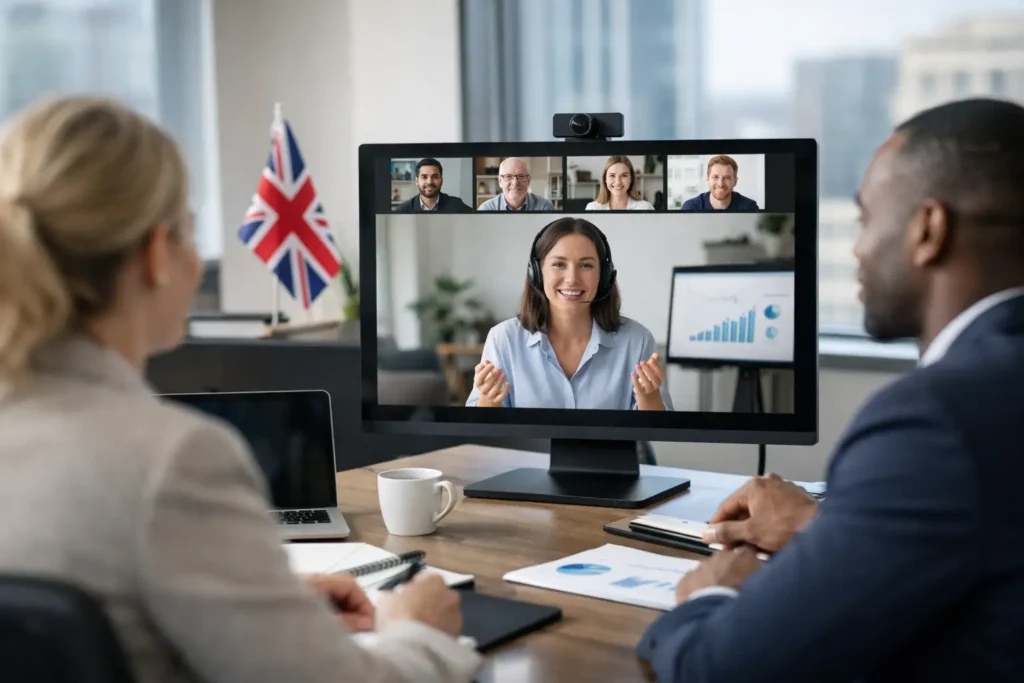
A lunchtime wellbeing webinar can attract 80 registrations, yet only a fraction may attend live and fewer still change a habit afterwards. That gap is why HR teams reasonably ask: are workplace webinars effective? They can be, but a webinar is not automatically a wellbeing intervention simply because it has been scheduled and recorded.
For UK employers, webinars work best when they solve a clear employee need, are straightforward to join during the working day and sit within a wider programme of practical support. The objective is not just attendance. It is helping employees leave with one useful action, while giving the organisation a sensible way to understand reach, engagement and next steps.
Are workplace webinars effective for employee wellbeing?
Workplace webinars are effective when the format matches the outcome you need. They are particularly useful for building awareness at scale: introducing stress-management techniques, improving mental health literacy, explaining the value of sleep, or giving desk-based teams practical advice on posture and movement.
They are less effective when an employer expects a single 45-minute session to resolve a complex issue such as sustained stress, poor team culture or long-term absence. A webinar can open a conversation and signpost support, but it cannot replace occupational health input, clinical care, manager capability or changes to workload and working practices.
The strongest case for webinars is their convenience. Employees can join from an office, home or another site without travel, room capacity constraints or appointment scheduling. This makes them a practical option for hybrid and geographically dispersed teams. A recording can also extend access for shift workers and people who cannot attend at the scheduled time.
However, convenience can also reduce commitment. When employees are working from home, a webinar can easily become background noise between emails and meetings. The delivery needs to earn attention through a relevant subject, a credible facilitator and a clear reason to take part.
What makes a workplace webinar work?
The most successful sessions are designed around a specific workplace challenge rather than a broad promise to improve wellbeing. For example, “sleep and recovery for busy teams” is usually more useful than a generic session on health. “Managing pressure during organisational change” may be more timely than a standard resilience presentation.
A clear focus helps employees decide whether the session is for them. It also helps the employer set an outcome that can be assessed afterwards, such as improving confidence in recognising signs of stress or encouraging employees to take regular screen breaks.
Keep the session practical
Employees should be able to apply the learning immediately. A webinar on posture might include a simple workstation check and two movements that can be completed at a desk. A sleep session could explain a realistic wind-down routine for people who work late or commute. A mental health awareness session may help colleagues recognise when to start a supportive conversation and where to seek further help.
Practical content does not mean overloading people with advice. One or two achievable actions are more likely to be remembered than a long checklist. It also respects the fact that employees have different responsibilities, health needs and levels of control over their working day.
Make attendance easy, but intentional
Choose a time that fits working patterns. For office-based teams, a mid-morning or lunchtime session may work well. For multi-site or shift-based organisations, consider offering more than one live slot and sharing a recording afterwards.
Managers have an important role here. If employees feel they must catch up on work while attending, participation will be low in both number and quality. A short message from senior leaders or line managers confirming that attendance is supported during work time carries more weight than a calendar invitation alone.
Keep joining instructions simple. Use one clear invitation, state the length of the session, explain who it is for and include the main takeaway. Avoid requiring employees to complete several steps or download unfamiliar software shortly before the event.
Use interaction with purpose
Polls, anonymous questions and short reflection prompts can make an online session more useful. They also give facilitators an indication of what employees are experiencing without asking anyone to disclose personal information publicly.
Interaction should support the topic, not interrupt it. Two well-placed polls can reveal more than constant requests for chat responses. For sensitive subjects such as anxiety, mental health or menopause, anonymous question options are often more appropriate than asking people to speak on camera.
Measure more than registrations
Registration figures are helpful, but they are only the start. A well-promoted webinar may have a high sign-up rate and a modest live audience because diaries change. That does not necessarily mean it failed, particularly if a recording is available and used.
A more useful measurement approach combines participation with feedback and follow-up behaviour. Employers can review registrations, live attendance, recording views, poll responses and anonymous satisfaction scores. A short post-session survey can ask whether the subject felt relevant, whether the employee learned something useful and what action they intend to take.
Where possible, ask the same question before and after a session. For instance, employees could rate their confidence in managing daily stress or setting up their workstation comfortably. This provides a clearer indication of learning than asking whether they enjoyed the presentation.
Avoid claiming health improvements that have not been measured. A webinar may increase awareness and confidence, but it cannot prove reduced absence or improved productivity without broader data and sufficient time. HR teams should be realistic about what each metric can show.
Build webinars into a year-round wellbeing plan
A single event can create interest. A connected programme is more likely to create momentum. Employers can schedule webinars around predictable pressure points, such as winter wellbeing, Mental Health Awareness Week, financial year-end or periods of organisational change.
The topic sequence matters. A stress-management webinar could be followed by a resilience course, manager guidance on supportive conversations and an on-site wellbeing activity. Employees then see that the organisation is offering practical support rather than a one-off awareness campaign.
There is also value in combining learning with opportunities to understand personal health. For example, a session on heart health, movement or healthy habits can sit alongside accessible on-site health screening. A Health Screening Kiosk gives employees immediate readings for height, weight, BMI, blood pressure, pulse and body fat percentage, without the need to book an appointment. The webinar provides context; the screening offers a convenient prompt to consider individual next steps.
This combination should be handled carefully. Basic screening results are useful indicators, not a diagnosis, and communications should make that clear. Employees should know what support or signposting is available if a result concerns them.
Common reasons webinars underperform
A webinar is likely to struggle when the topic is too generic, the invitation arrives too late or attendance is treated as optional in theory but impractical in reality. Long sessions with little structure can also lose employees, especially when they have spent much of the day in online meetings.
Another common issue is poor follow-through. If employees are encouraged to consider stress, sleep or mental health but receive no further resources, support route or relevant activity, the organisation loses an opportunity to turn interest into action.
Privacy can be a concern too. Employees may hesitate to engage with wellbeing content if they believe personal questions or poll responses will be visible to managers. State clearly how feedback is collected, use anonymous reporting where appropriate and focus on aggregated trends rather than individual data.
Finally, do not use webinars to avoid addressing operational problems. If teams are consistently overloaded, understaffed or unable to take breaks, a session on resilience may feel misplaced. Wellbeing education works best alongside practical action on the working environment.
A practical approach for HR teams
Before booking a webinar, decide what workplace need it addresses and what employees should be able to do after attending. Select a topic that is timely, communicate it through managers as well as internal channels and make protected time available where possible.
After the session, share the recording, a concise recap and the relevant support options. Review attendance and feedback within a week, then use the findings to shape the next activity. If one topic attracts strong engagement, build on it. If a format has weak attendance, test a different time, a shorter session or a more targeted invitation.
The value of a workplace webinar is rarely in the screen time alone. It is in the practical conversation it starts, the action it makes easier and the consistent support employees can see behind it.