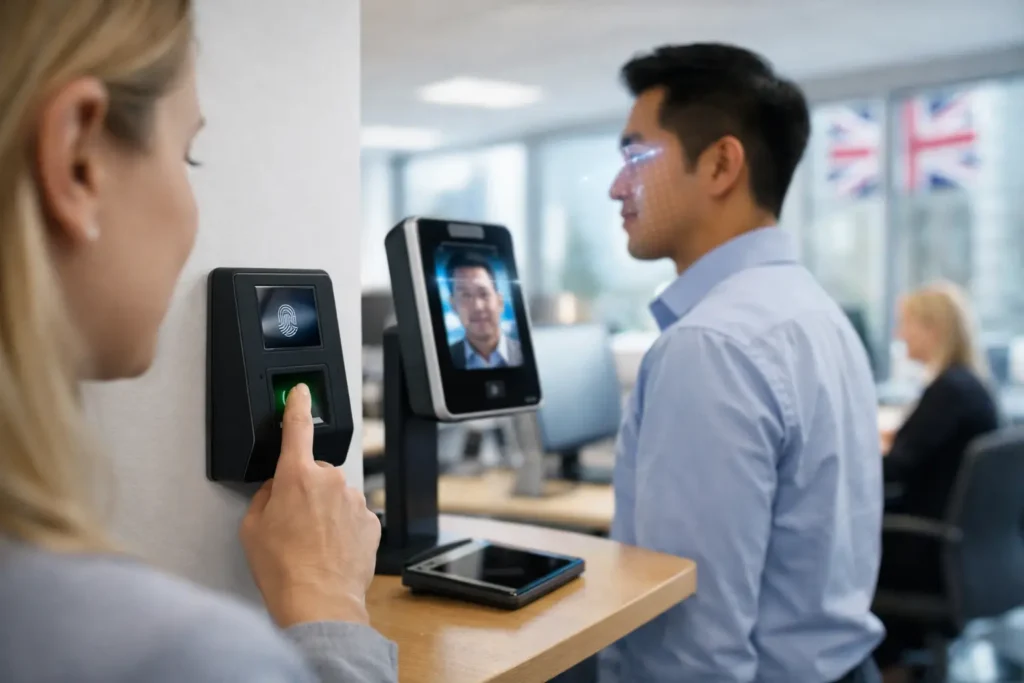
A health check only creates value when employees can realistically take part. That is why current biometric screening trends are moving away from appointment-heavy programmes and towards quick, accessible checks that fit into the working day. For UK employers, the priority is not collecting health data for its own sake. It is helping people understand key measures, start constructive conversations about wellbeing and demonstrate a practical commitment to preventative health.
A well-planned screening activity can give employees a useful snapshot in minutes. It can also provide HR and wellbeing teams with a clearer view of engagement, particularly where anonymised usage information is available. The most effective approach balances convenience with privacy, clear communication and appropriate follow-up.
Biometric screening trends: convenience drives participation
The strongest trend is simple: workplace health screening is becoming easier to access. Employees are more likely to take part when a check is available where they already work, needs no pre-booked appointment and does not take a significant amount of time out of their day.
This matters in organisations with varied working patterns. A single booked clinic may suit a head office, but it can exclude shift teams, operational staff and employees who are only in the workplace on selected days. A self-service Health Screening Kiosk offers a practical alternative for many settings. Employees can complete a basic assessment when it suits them, while the employer avoids the administrative task of managing individual time slots.
The measurements usually include height, weight, body mass index (BMI), blood pressure, pulse and body fat percentage. Results printed immediately after the assessment give each participant something clear to take away. This immediacy is valuable: a number is more likely to prompt action when it is understood at the point of screening rather than sent later in a report.
Convenience does not mean cutting corners. Employers should still explain what the kiosk measures, how long the assessment takes and where employees can seek further advice if a result concerns them. Basic biometric screening is a wellbeing and awareness tool, not a diagnosis or a replacement for clinical care.
From one-off events to year-round wellbeing plans
Health checks are increasingly being used as the starting point for a wider wellbeing programme rather than as a standalone awareness day. Screening can create interest in topics that employees may otherwise put off, such as movement, sleep, stress, nutrition or managing blood pressure.
For example, a workplace may schedule a screening kiosk during a wellbeing campaign, then follow it with practical activity over the following weeks. Office yoga, movement sessions, massage, webinars or online learning can give employees accessible ways to act on what they have learnt. The right mix depends on the workforce. A desk-based organisation may focus on posture, movement and stress, while a multi-site employer may need online sessions that can reach colleagues consistently.
This joined-up model also gives wellbeing teams more than a single participation figure. They can track take-up across activities and learn which formats are most useful to their employees. The objective should not be to pressure people into changing personal health choices. It is to make credible support available repeatedly, in formats that people can use.
Better visibility, with appropriate data boundaries
Employers want measurable wellbeing initiatives, but employees need confidence that their personal information is respected. This is shaping how screening programmes are designed.
Individual results should remain with the employee. A printed result can support personal reflection without requiring sensitive information to pass through a line manager or HR team. Where an organisation wants to evaluate engagement, anonymised usage data can show overall participation without identifying individuals.
This distinction is essential. Aggregate information may help an employer understand whether a campaign reached different sites or whether uptake increased after better internal promotion. It should not be used to make assumptions about the health of named employees, assess performance or apply pressure to participate.
Before launch, set out the privacy position in plain language. Explain whether participation is voluntary, what information is collected, who can see it and whether any aggregate reporting will be supplied. Clear answers reduce uncertainty and make participation more likely.
Blood pressure remains a practical workplace focus
Among the measures included in basic screening, blood pressure has particular relevance for workplace wellbeing. High blood pressure often has no obvious symptoms, so people may be unaware that it needs attention. A convenient workplace check can encourage an employee to monitor a reading, make lifestyle adjustments or speak with a pharmacist, GP or other appropriate health professional.
A single reading is only a snapshot. It may be affected by recent activity, caffeine, stress or the setting itself. Employers should avoid presenting screening results as definitive and should provide sensible signposting for people whose results are outside the expected range. The value is in awareness and appropriate next steps, not in making a medical judgement on site.
BMI, body fat percentage, pulse, height and weight should be handled with the same care. These are useful indicators, but they do not tell the whole story of an individual’s health. Communications should stay neutral and supportive, avoiding language that could make employees feel judged.
Flexible deployment is replacing complex event logistics
Another of the key biometric screening trends is operational simplicity. HR teams are rightly cautious about wellbeing initiatives that create a large administrative burden. If a programme requires appointment management, extensive room set-up, specialist on-site coordination and frequent problem-solving, it may struggle to scale.
A rentable kiosk model can reduce that burden. In a typical workplace deployment, the employer needs a suitable space and a power supply. The provider delivers and installs the equipment, gives basic guidance and arranges maintenance support. This is particularly useful for organisations that want to run activity across several UK sites without asking each local team to become an event manager.
Practical planning still matters. Place the kiosk somewhere visible enough to encourage use but private enough for employees to feel comfortable. Avoid busy walkways where people may feel observed, and consider access for different shift patterns. A week-long installation may work well for a large site, whereas a shorter visit may be sufficient for a smaller office.
Internal promotion is equally important. A concise message explaining that the check is voluntary, takes only minutes and produces instant printed results is more effective than broad wellbeing messaging with no clear action. Managers and wellbeing champions can help by making time for participation, rather than treating it as an extra task to be completed during a busy break.
What employers should look for in a screening provider
The equipment is only one part of a successful programme. For a workplace buyer, service support and implementation are often the deciding factors. National coverage matters if you have offices, depots or sites spread across the UK. So does clear ownership of delivery, installation, maintenance and consumables.
Ask practical questions early. How much floor space is required? What power supply is needed? How are faults handled during a rental period? Is basic training provided? Can the programme include anonymised usage information? These details determine whether a screening idea becomes a smooth employee experience or an unwanted project for an already busy HR team.
Relaxa supports employers with Health Screening Kiosks that provide core biometric measurements and immediate printed results, alongside UK-wide delivery, installation and engineer support. The kiosk can also sit within a broader programme of on-site and online wellbeing activity, allowing employers to maintain momentum after the initial health check.
Making screening feel useful, not intrusive
The most successful programmes position biometric checks as an invitation, not an obligation. Employees should understand the practical benefit: a quick opportunity to know their numbers during the working day. They should also know that choosing not to take part will not affect them at work.
Language makes a difference. Focus on awareness, prevention and personal choice rather than targets, weight loss or competition. Consider offering a quiet period for screening, particularly if the workforce may be uncomfortable using a kiosk while colleagues are nearby. For hybrid teams, rotate installations or pair site-based activity with online wellbeing resources so support is not limited to one group.
A useful workplace screening programme does not need to be elaborate. Give employees private, convenient access to basic measurements, communicate the boundaries clearly and ensure there is credible support around the activity. When those foundations are in place, a few minutes at a kiosk can become a practical prompt for healthier choices long after the workplace campaign has finished.