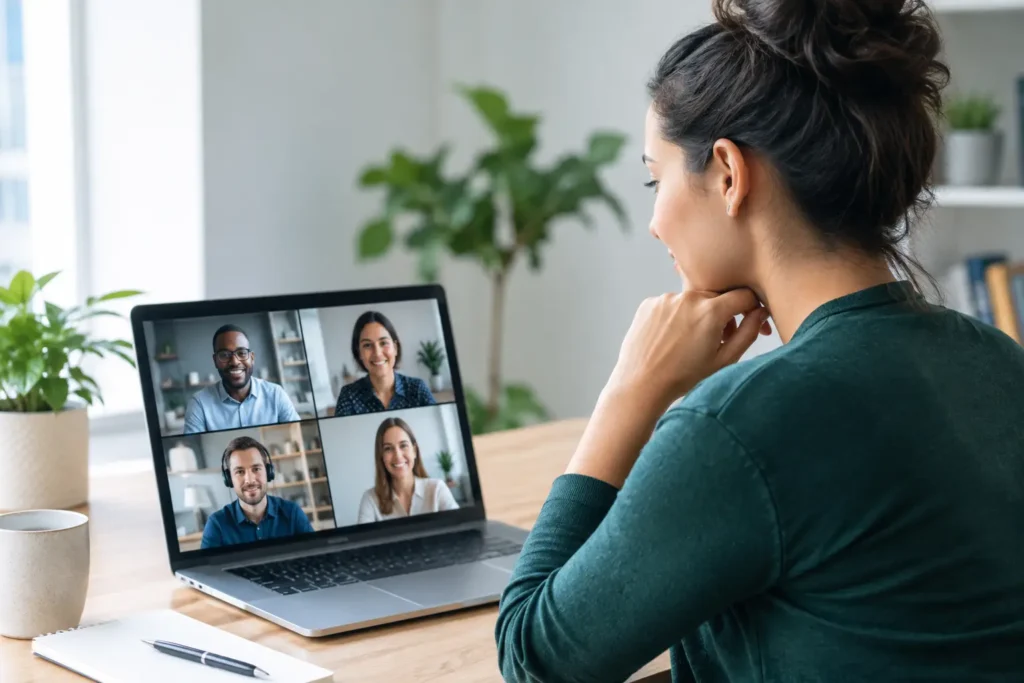
A lunchtime session on stress can attract a full calendar, yet still make little difference if employees leave with no practical action, no clarity on support and no permission to use what they have learned. Effective employee stress and mental health webinars are designed around the pressures people actually face at work: competing priorities, constant digital contact, change, isolation in hybrid roles and the difficulty of switching off.
For employers, the aim is not to diagnose mental health conditions or replace clinical care. It is to provide useful, accessible education that helps people recognise early signs of strain, build everyday coping habits and know where to seek further help. When delivered as part of a planned wellbeing programme, webinars can reach large and dispersed teams without appointment scheduling or travel.
What employee stress and mental health webinars should achieve
A workplace webinar should give employees something they can use in the next working day, not simply describe the scale of the problem. The best sessions translate mental wellbeing into clear workplace behaviours: noticing when stress is becoming persistent, setting realistic boundaries, having a supportive conversation with a colleague and using recovery time properly.
For HR and People teams, this format also creates a consistent message across offices, home workers and multi-site locations. Everyone receives the same information at the same time, while a recording can support colleagues who work shifts, have caring responsibilities or could not attend live.
There is a balance to strike. A broad awareness session may be suitable for an organisation beginning its wellbeing activity, but it can feel too general for teams dealing with a particular challenge, such as high workload during a restructure or fatigue in a customer-facing function. In those cases, a focused webinar on resilience, sleep, managing pressure or mental health awareness is usually more useful.
Start with the workplace issue, not the webinar title
Before booking a session, identify the outcome the organisation needs. Employee feedback, absence patterns, engagement results and conversations with managers can all point to themes worth addressing. This does not require HR to collect personal medical information. The purpose is to understand broad workplace pressures and select education that is relevant.
A team reporting difficulty concentrating may benefit from a session on stress and attention management. A workforce with long commutes, irregular hours or high screen time may respond better to sleep and recovery training. If managers are unsure how to respond when someone says they are struggling, mental health awareness training can help them listen appropriately, avoid assumptions and signpost support.
Avoid treating a webinar as a response that closes the issue. If workload, unclear priorities or poor role design are contributing to stress, those operational factors still need attention. Education helps employees manage what is within their control; it should sit alongside responsible management action.
Set a clear learning brief
A practical brief makes it easier to choose the right speaker and format. Define who the session is for, the workplace context, the length available and what participants should be able to do afterwards. For example, the goal might be for employees to identify three signs of escalating stress, practise one short reset technique and understand how to access internal or external support.
This level of clarity prevents sessions becoming overly theoretical. It also gives organisers a useful basis for evaluating whether the webinar worked.
Make attendance easy, private and worthwhile
Convenience has a direct effect on participation. Schedule live webinars within working hours where possible, rather than expecting employees to join in their own time. A 45 to 60-minute session is often long enough to cover a topic properly while remaining realistic for busy diaries. For operational teams, consider running more than one session or making a recording available for a defined period.
Employees may hesitate to join a mental health session if they feel attendance marks them out as having a problem. Position the webinar as practical wellbeing education for everyone. Use neutral, clear joining instructions and allow anonymous questions where the platform permits it. Anonymous questions often reveal the issues people are reluctant to raise in a group, from racing thoughts at night to feeling overwhelmed by competing demands.
Managers should be encouraged to make time for attendance, not merely circulate an invitation. When leaders treat wellbeing learning as legitimate work activity, uptake is usually stronger and the message carries more weight.
Content that employees can apply
Strong webinars combine straightforward explanation with small, realistic actions. They should explain the difference between short-term pressure and sustained stress, while recognising that people experience both differently. A demanding deadline is not automatically harmful; continuing high pressure with insufficient recovery can be.
Useful session content may cover recognising physical, emotional and behavioural signs of stress; simple techniques for pausing and regulating a stress response; protecting breaks and boundaries; improving sleep routines; and approaching a colleague who appears to be struggling. It should also explain when self-help is not enough and where urgent or professional support can be found.
Be cautious about promising that one technique will work for everyone. Breathing exercises, movement breaks and planning methods can be valuable, but preferences, health needs and working conditions vary. The practical message is to offer a range of options and encourage employees to notice what supports them.
Include signposting, but keep boundaries clear
Every mental health webinar should finish with clear support routes. Depending on the organisation, this may include an employee assistance programme, occupational health, HR contacts, mental health first aiders, a GP or emergency services for immediate risk. Details should be checked before the event, especially where workforces are spread across different sites or countries.
The presenter should make clear that a webinar is educational, not therapy or a crisis service. This protects employees from receiving the wrong expectation and helps organisers manage sensitive disclosures appropriately.
Build webinars into a year-round programme
A single awareness day can begin a conversation, but sustained engagement usually comes from regular, varied activity. An annual calendar gives employees several entry points and avoids trying to address every issue in one event. A sensible programme may place stress management in a busier business period, sleep and recovery during winter, resilience during change and mental health awareness around a wider internal campaign.
Online education works particularly well alongside visible on-site activity. For example, a stress webinar can be followed by office yoga, movement sessions or on-site massage, giving employees a practical opportunity to step away from their desks. Health screening can also support preventative wellbeing by helping employees understand basic measures such as blood pressure, BMI and pulse. These services have different purposes, so it is best not to present biometric results as a measure of mental health. Together, however, they can encourage broader conversations about everyday health.
Relaxa can support this approach through a structured range of workplace webinars and online training, alongside on-site wellbeing services that can be scheduled throughout the year.
Measure engagement without invading privacy
Employers need evidence that wellbeing activity is being used, but mental health information requires care. Attendance, registration numbers, recording views, anonymous poll responses and post-session feedback provide useful indicators without asking employees to disclose personal experiences.
Keep evaluation short. Ask whether the topic felt relevant, whether participants learned something practical and whether they know where to access support. A simple optional question about future topics can guide the next session. If attendance is lower than expected, examine timing, manager endorsement, communications and relevance before assuming employees are uninterested.
For larger programmes, review trends over time rather than expecting a direct, immediate reduction in absence after one webinar. Mental wellbeing is influenced by many factors, including workload, leadership, financial pressures and personal circumstances. Webinars are most valuable when they contribute to a credible, visible duty-of-care approach rather than carrying the entire responsibility.
Practical delivery checks for HR teams
A smooth webinar requires modest preparation. Confirm the date and audience, circulate joining details early, test the platform, decide whether a recording is appropriate and agree how questions will be handled. If the session includes a poll or feedback form, ensure results are anonymous and explain how they will be used.
Give the presenter context on the workforce without sharing confidential case details. Information such as shift patterns, hybrid working arrangements, common role pressures and the support already available will make examples more relevant. After the session, send the recording where agreed, key resources and the support routes mentioned live.
The most useful mental health webinar is often the one that makes an employee pause, recognise a growing pressure and take a small, timely step. Make that step easy to understand, easy to access and supported by the way work is organised afterwards.